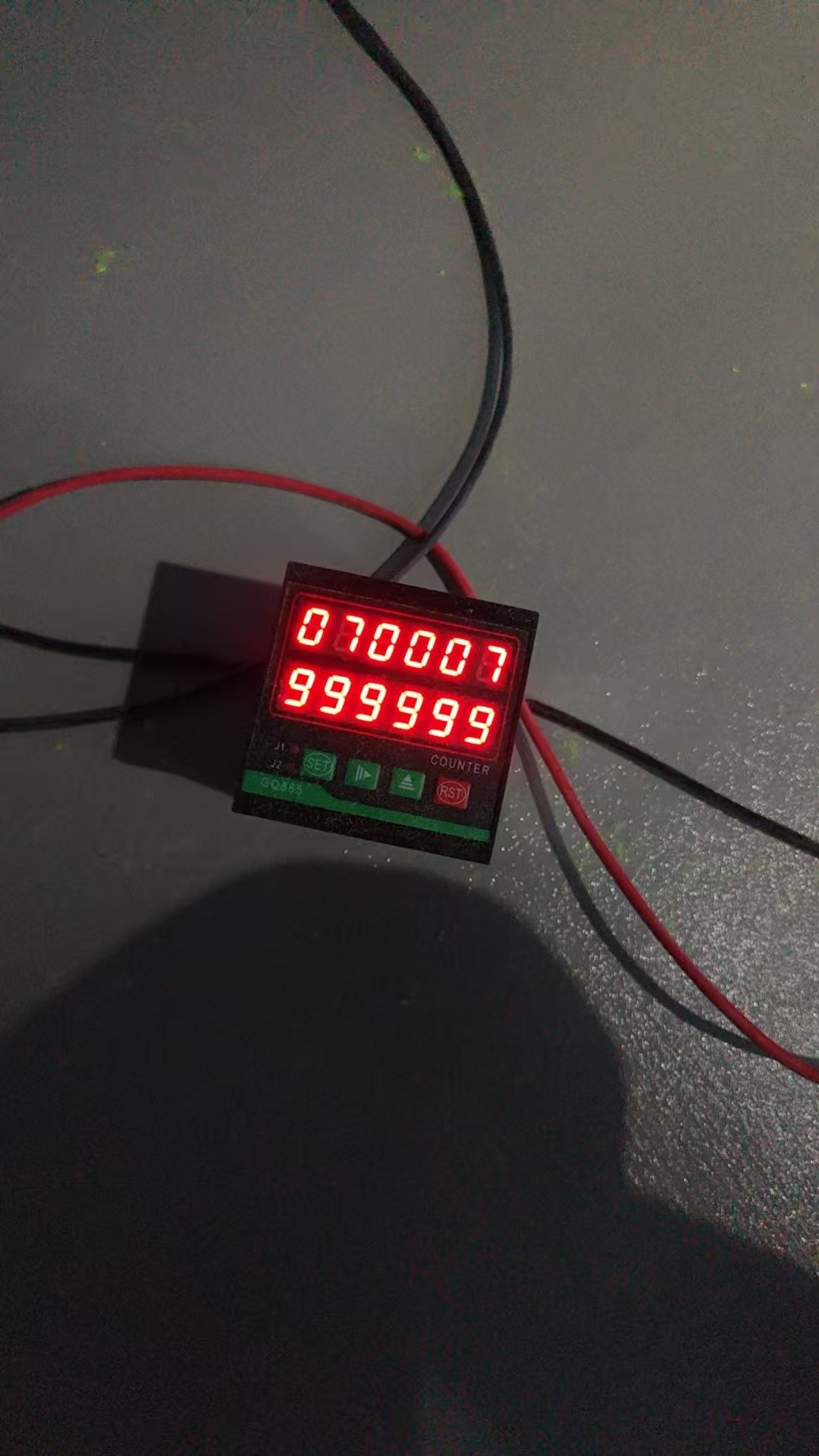
50,000+ Test Shots Completed
In April, we built a small outdoor test setup outside the office to create a testing environment closer to real training conditions.
This was not a paper test or a short one-time validation. We used repeated continuous feeds to test feeding stability, jam rate, speed consistency, ball detection, stop response, and long-run performance.
By the end of this stage, Mavio had completed more than 40,000 test shots.
This Month’s Focus
April focused on making Mavio more reliable in critical training situations:
When there are no balls, the machine should know.
When there is a jam, the machine should stop.
When stop is pressed, stopping should take priority.
During long sessions, rhythm and machine status should remain stable.
Key Progress
Outdoor test setup completed Testing moved closer to real training conditions instead of staying only in indoor single-point validation.
More than 50,000 test shots completed Testing covered continuous feeding, jam rate, speed consistency, and long-run performance.
Ball / no-ball detection reached stage validation Empty spinning and unintended feeding were reduced.
Jam detection and stop response were validated The machine could stop faster in abnormal situations, and continued feeding after stop was reduced.
Long-run stability was validated in stages Feeding angle changes, low-ball conditions, pause state, and track abnormality scenarios were tested.
What We Learned
These details may not look as visible as new features, but they determine whether Mavio can be trusted long term.
Real training is not always perfect. Balls can jam. The hopper can run low. The machine may need to pause. The player may need to stop immediately. Mavio has to stay reliable in those imperfect situations.
Longer feeding tests also revealed something we had not felt as strongly in shorter test runs: ball machines are hard on tennis balls.
During high-volume testing, we noticed that balls lost felt faster than expected, especially after repeated launches. This raised a big product question for us: if Mavio encourages more frequent and structured training, how do we help reduce the waste that comes with higher ball usage?
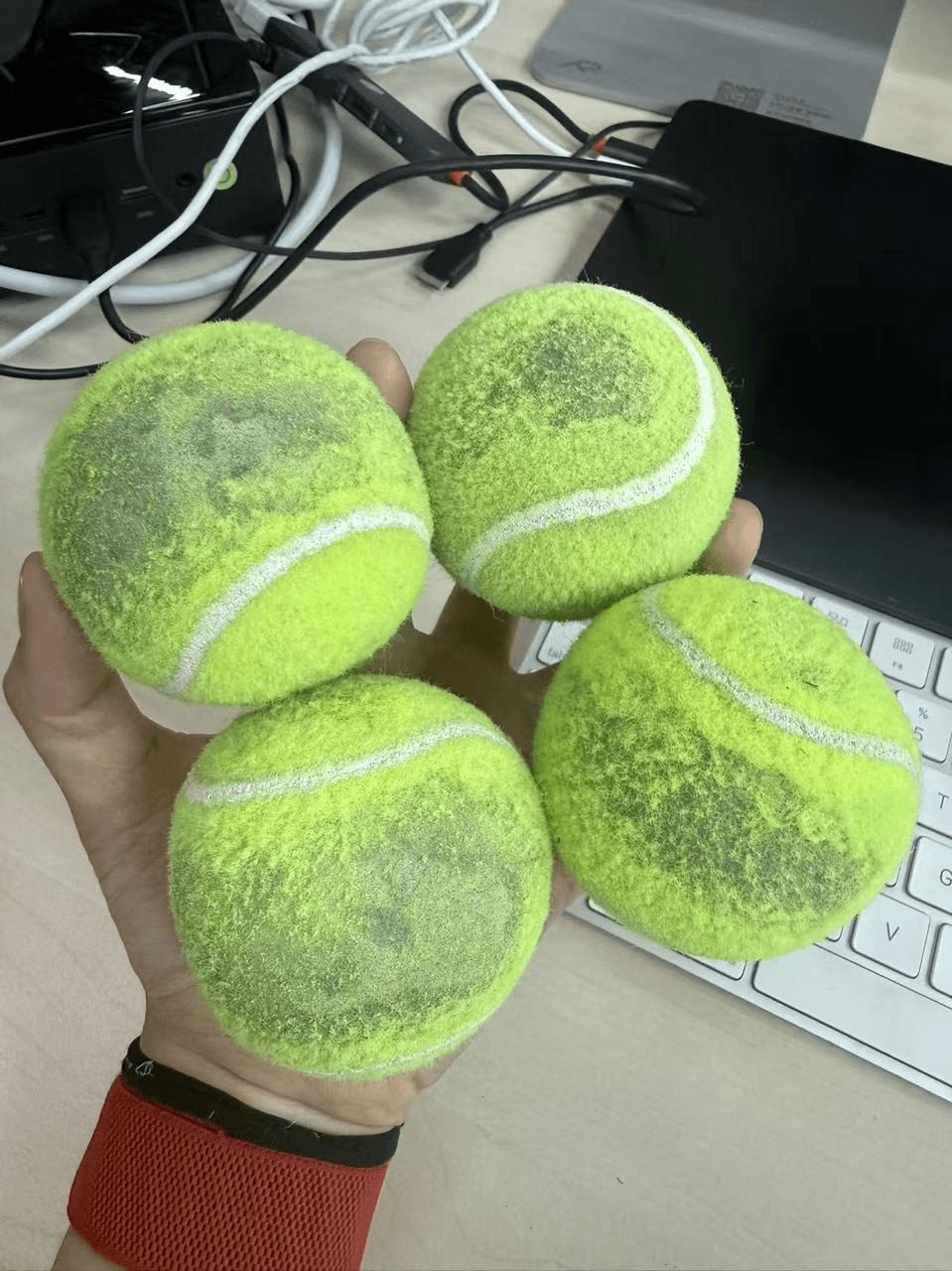
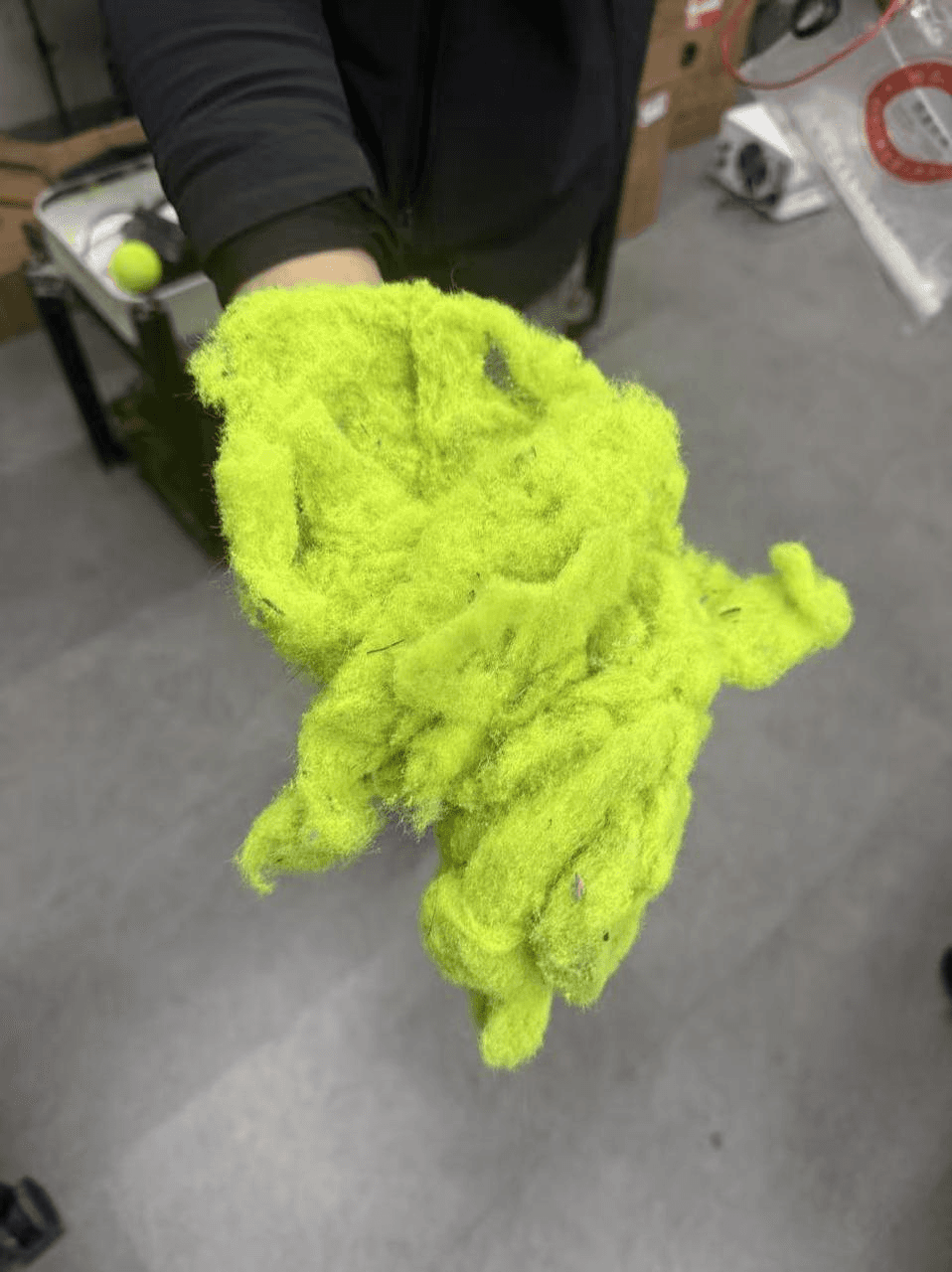
This observation led us to start exploring a recycled tennis ball initiative. It is still early, but we believe a better training system should think not only about performance, but also about the lifecycle of the balls it uses.
A Small Side Project
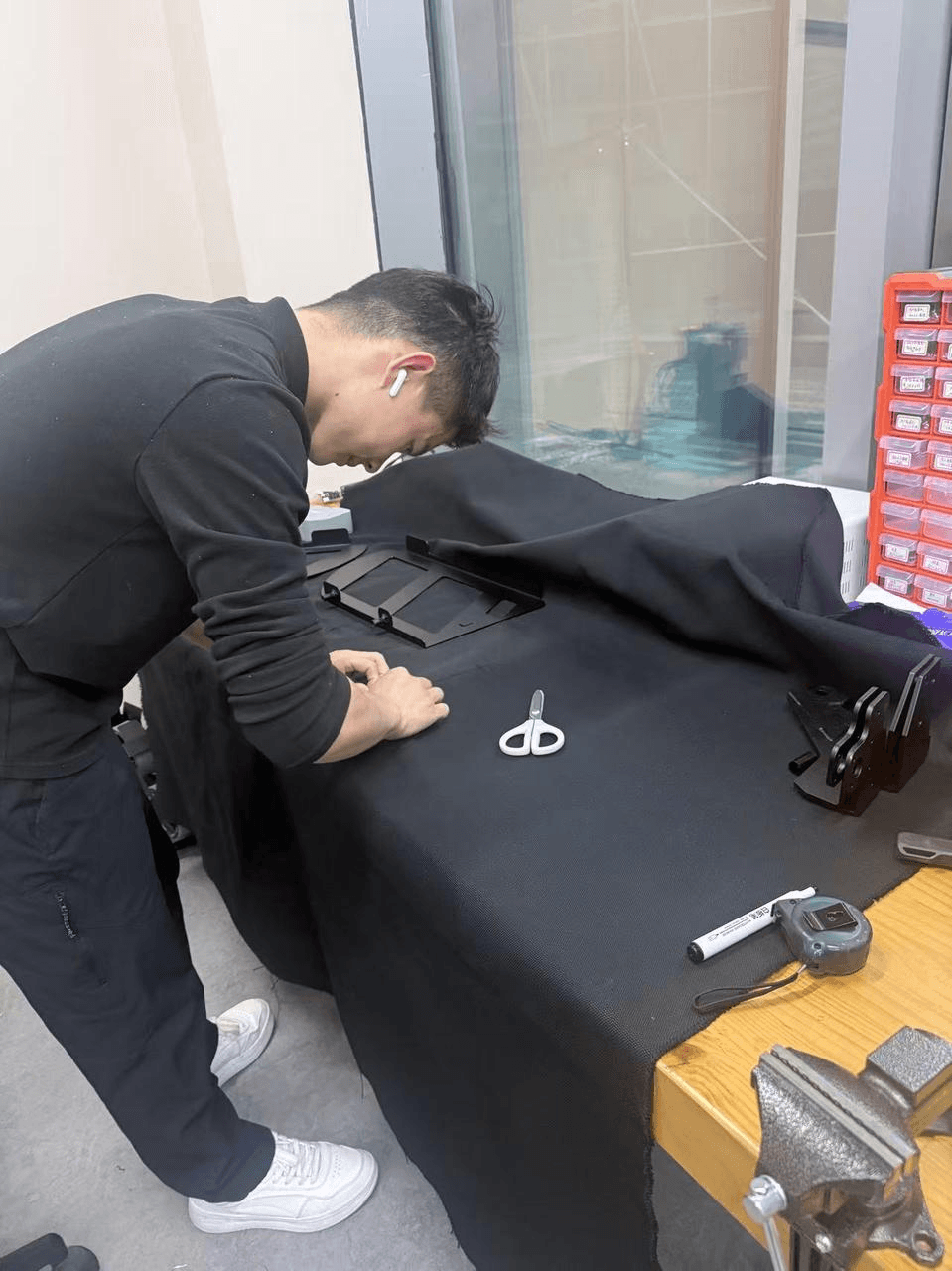
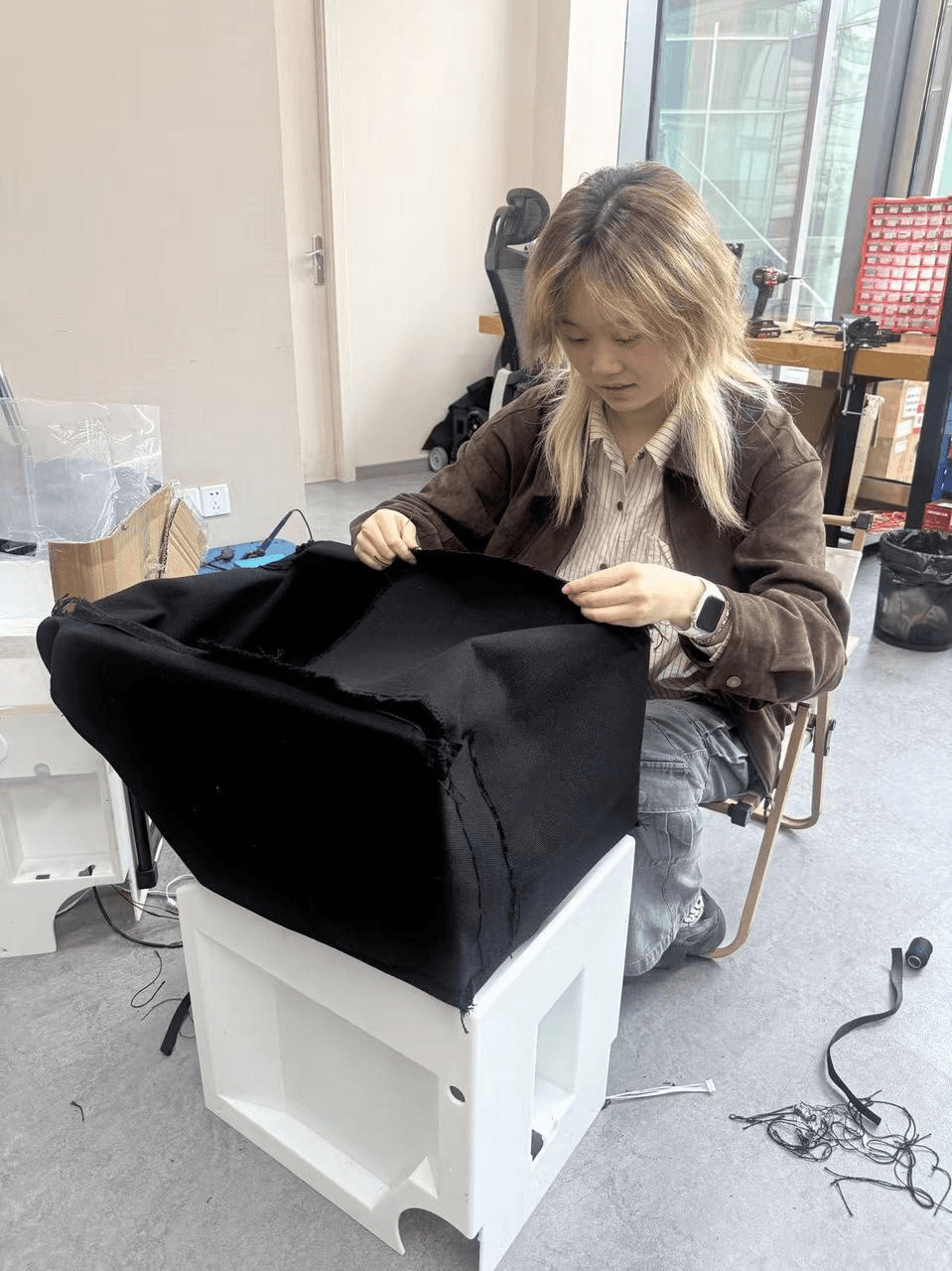
As a fun side project, we also explored a combined ball bag and hopper structure.
The goal was to see whether carrying, storing, and loading balls could become part of one simpler experience. This was not a final product decision, but it helped us think about the everyday details around using Mavio.
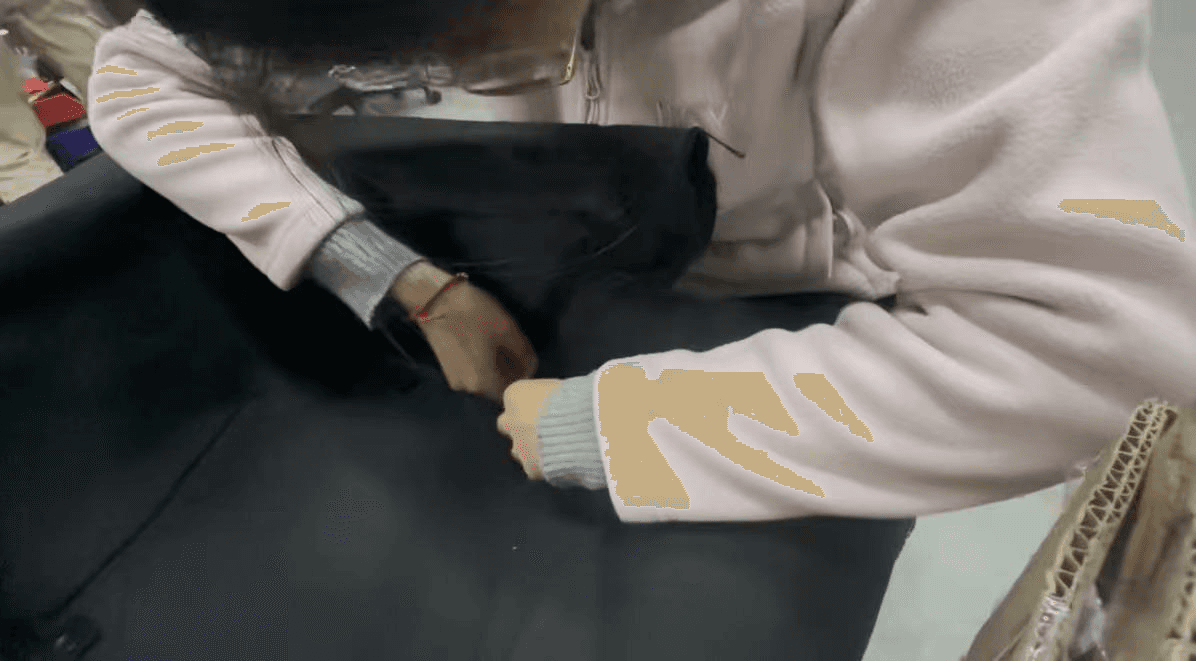
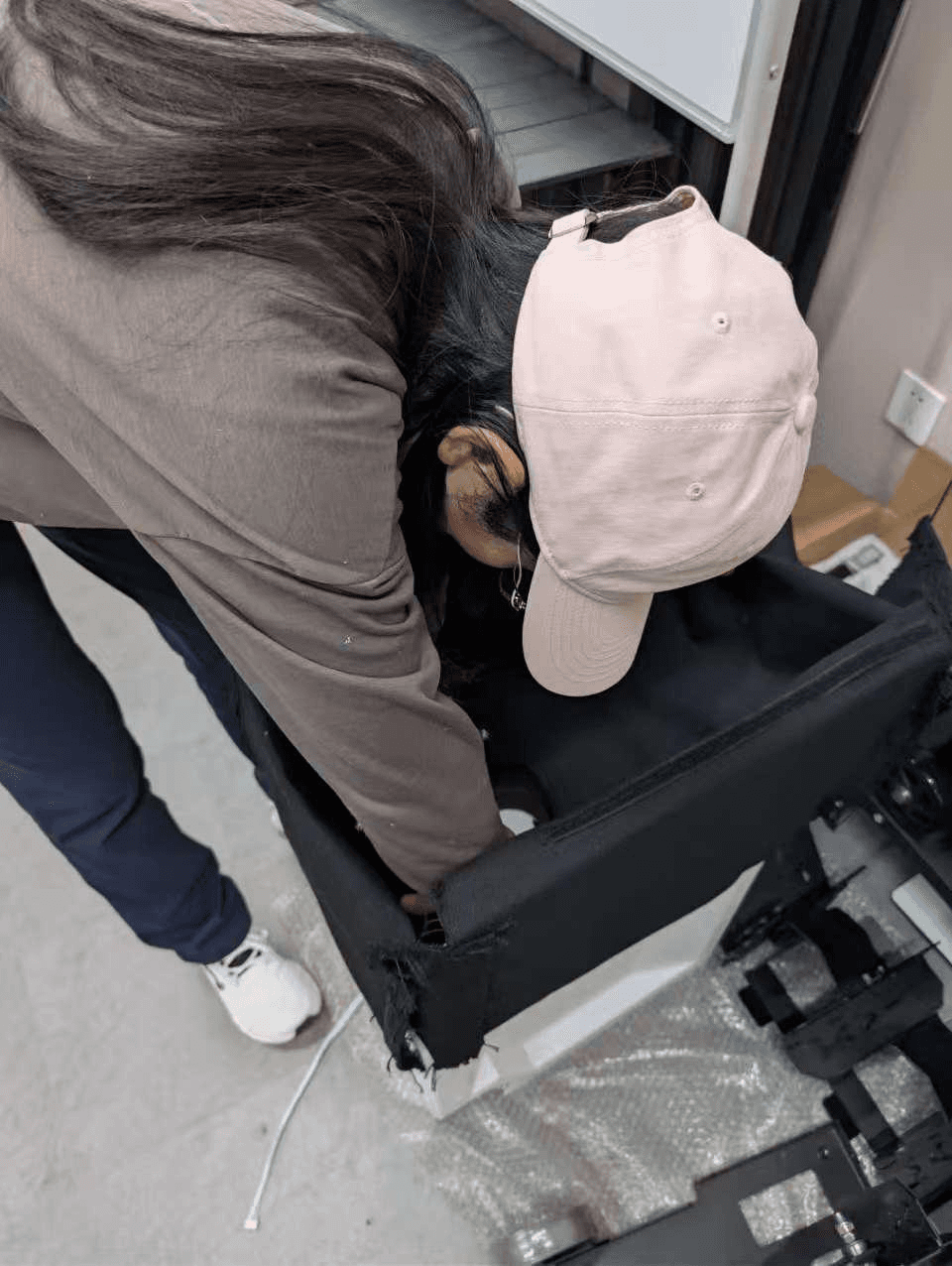
Everyone on the team personally helped sew the prototype ball bag. It was a small, hands-on reminder that product development is not only about mechanical drawings and test results. Sometimes, the fastest way to understand an idea is to build it ourselves.
What’s Next
The next stage will move into EVT-4, with a stronger focus on long-term reliability, serving wheel aging, direction-detection accuracy, and stricter lifespan testing.